Diet plan guide
The Mediterranean diet, made simple
New to the Mediterranean diet? What it is, how it works, what to eat more of, a sample day, common mistakes and what the research really suggests.
Short answer
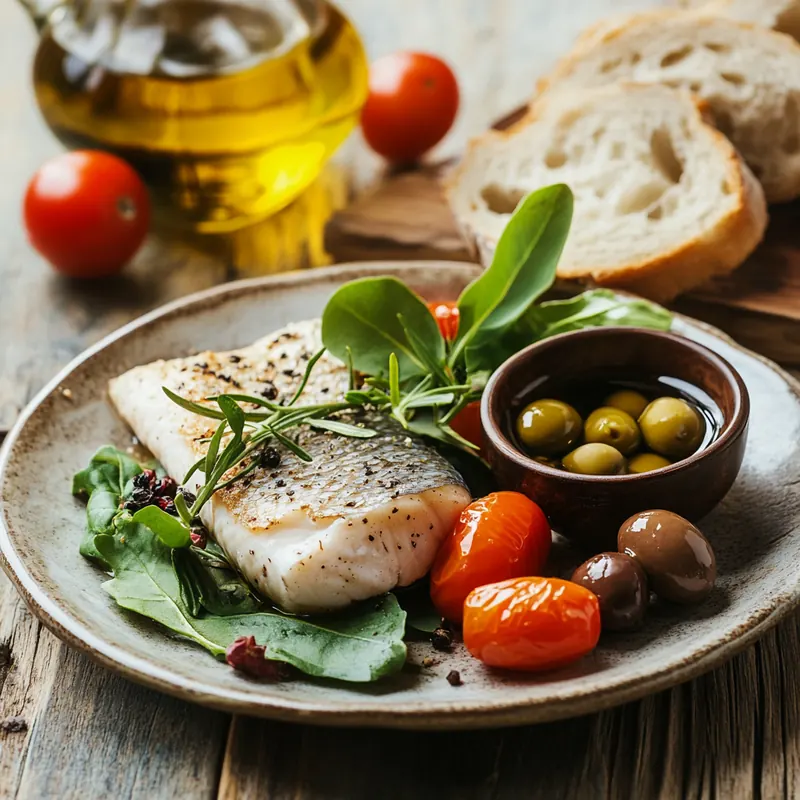
The Mediterranean diet is a way of eating based on the traditional food of countries around the Mediterranean Sea. It centers on vegetables, fruit, legumes, whole grains, nuts and olive oil, with fish a couple of times a week and red meat only now and then. Nothing is banned. The balance of the plate just shifts toward plants.
Key points
- The Mediterranean diet is a pattern, not a rulebook. Nothing is forbidden, the balance just shifts toward plants.
- Olive oil is the main fat, fish shows up about twice a week and red meat becomes occasional.
- It is among the most studied diets. In the PREDIMED trial, adults at high cardiovascular risk had fewer major cardiovascular events than a group advised to cut fat.
- Portions still count. Olive oil and nuts are good food and also calorie dense.
- It suits most people. Check with your doctor first if you are on a medically prescribed diet.
What is the Mediterranean diet?
The Mediterranean diet is a way of eating built on what people around the Mediterranean Sea traditionally ate: vegetables, fruit, legumes, whole grains, olive oil, fish, and modest amounts of everything else.
It is a pattern, not a rulebook. The American Heart Association points out that there is no single standard version, because at least 16 countries border the Mediterranean and each one eats a little differently. What they share is the shape of the plate: plenty of plants, olive oil as the main fat, fish and poultry more often than red meat, and fruit for dessert more often than sweets.
People tend to stay with it for one reason. Nothing is forbidden. The balance just shifts.
How does the Mediterranean diet work?
There are no phases, no points and no calorie target. The pattern comes down to four habits:
- Olive oil becomes the main fat. It replaces butter and processed fats in cooking and on salads.
- Fish and seafood show up a couple of times a week. Red meat becomes occasional, not daily.
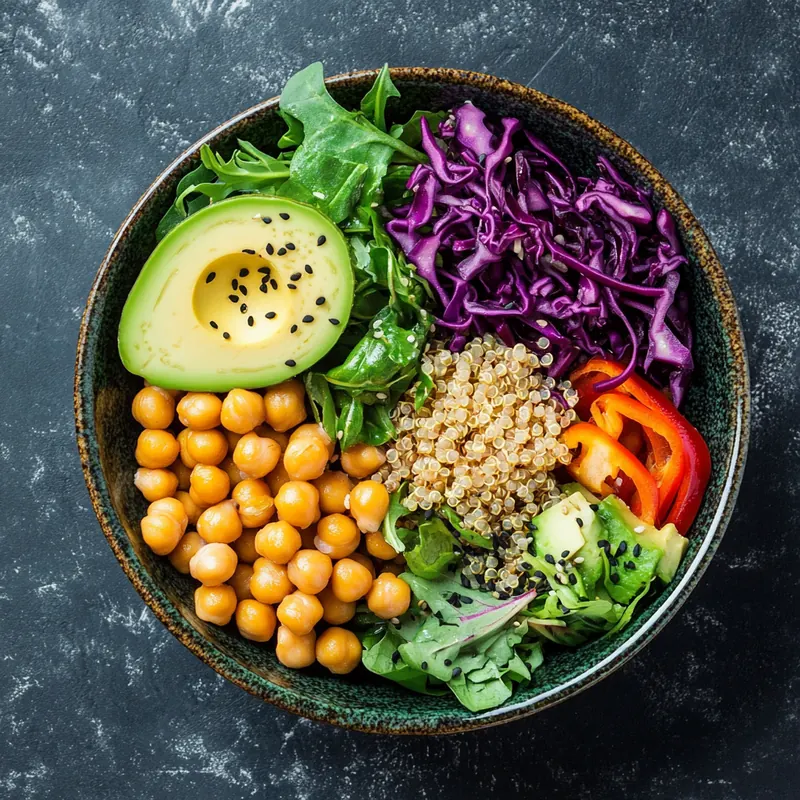
- Plants do the heavy lifting. Vegetables fill half the plate at most meals.
- Meals are meals. Sitting down and eating slowly is part of the pattern, not decoration.
The diet says nothing about timing. If you also like a schedule, some people pair it with intermittent fasting, since one covers what you eat and the other covers when.
What do you eat on the Mediterranean diet?
| Eat more | Go easy on |
|---|---|
| Vegetables and fruit at every meal | Processed and cured meats |
| Extra virgin olive oil as your default fat | Butter and processed fats |
| Fish and seafood, twice a week or more | Large amounts of red meat |
| Legumes, nuts, seeds and whole grains | Heavily processed packaged food |
| Herbs and lemon instead of salt | Sugary drinks and pastry as daily habits |
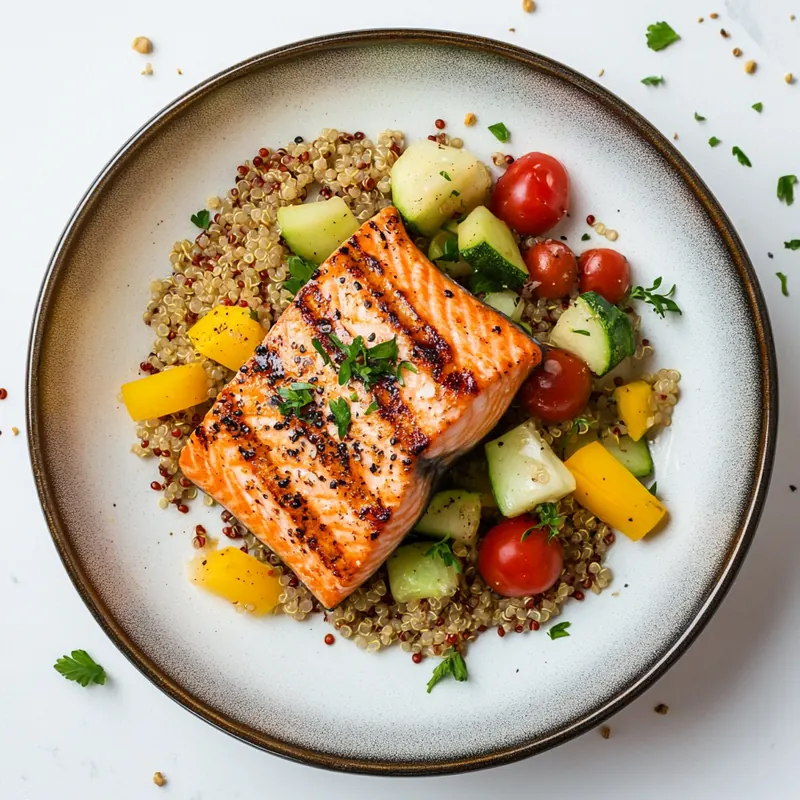
Dairy, eggs and poultry fit in low to moderate amounts. For fish, the American Heart Association recommends 2 servings a week, particularly fatty fish such as salmon, sardines and mackerel.
Some traditional versions include a little wine with meals. That part is optional, and it is not a reason to start drinking.
What does a day on the Mediterranean diet look like?
Here is a simple day. Swap in what you like and what is in season.
| Time | Meal |
|---|---|
| 8 am | Greek yogurt with fruit, nuts and honey |
| 1 pm | Big salad with tuna, white beans, olive oil and bread |
| 5 pm | Handful of almonds or a piece of fruit |
| 8 pm | Grilled fish, roasted vegetables, potatoes with olive oil |
Water is the default drink through the day. If you are not sure how much you need, see how much water you should drink a day.
What does the research say about the Mediterranean diet?
The Mediterranean pattern is among the most studied diets in the world.
The best known trial is PREDIMED, published in the New England Journal of Medicine. Researchers in Spain assigned 7,447 adults aged 55 to 80, all at high cardiovascular risk, to one of three diets and followed them for a median of 4.8 years. Two groups ate a Mediterranean diet with extra virgin olive oil or mixed nuts. A control group was advised to cut down on fat. The rate of major cardiovascular events, meaning heart attack, stroke or death from cardiovascular causes, was about 30% lower in the Mediterranean groups.
Two honest caveats. The people in the trial were older adults at high risk, so the result may not carry over to a healthy 30 year old. And the study was corrected and republished in 2018 after problems were found in how some participants had been assigned to groups. The revised analysis reached similar results.
Health organizations point the same way. The American Heart Association says a Mediterranean-style diet can help you meet its recommendations for a healthy dietary pattern. The World Health Organization's advice on healthy diets is close too: plenty of vegetables, fruit, legumes and whole grains, unsaturated fats such as olive oil in place of saturated ones, and less salt and sugar.
What about weight? The Mediterranean diet was not designed for weight loss. Harvard's Nutrition Source notes that because portion sizes are not spelled out, it is possible to overeat on it, and that the pattern may support weight loss when it is combined with eating fewer calories. Some people lose weight on it. Others do not. If you want a starting point, our BMI calculator takes a minute.
What are the most common Mediterranean diet mistakes?
- Drowning everything in olive oil. It is the default fat, not a beverage.
- Buying pasta and calling it Mediterranean. The pattern is plants first, grains second.
- Ignoring portions entirely. Nothing is forbidden, but quantity still counts.
- Changing everything in one weekend. A pattern you keep beats a perfect week you abandon.
How do you make the Mediterranean diet stick?
- Upgrade one meal at a time. Lunch is usually the easiest place to start.
- Swap the fat, not the recipe. Cook what you already cook, with olive oil where the butter used to be.
- Keep shortcuts in the kitchen. Frozen vegetables, canned fish and canned beans turn into dinner fast.
- Cook double at dinner. Lunch is solved tomorrow.
- Season with herbs and lemon before you reach for the salt.
If salt is your main concern, the DASH diet is a close cousin with a clear sodium limit. If you want to lean further into plants, look at the whole food plant-based diet. All seven plans are compared on the diet plans page.
Who should check with a doctor first?
The Mediterranean diet is broadly suitable for most people. Check with your doctor before you start if you:
- Have a condition that affects how your body processes fat
- Are on a medically prescribed diet
- Are pregnant, breastfeeding or under 18
- Have diabetes or take regular medication
- Have, or have had, an eating disorder
This page is general nutrition information, not medical advice. It does not diagnose, treat or prevent any condition.
Questions people ask
Can you lose weight on the Mediterranean diet?
Some people do, but it was not designed as a weight loss diet and nothing is guaranteed. There is no calorie target, and olive oil and nuts are calorie dense, so portions still count. The best known research on this pattern looked at heart health, not weight.
Do you have to eat fish on the Mediterranean diet?
Fish and seafood are a traditional part of it, usually a couple of times a week. If you do not eat fish, the rest of the pattern still stands: vegetables, legumes, whole grains, nuts and olive oil. A doctor or dietitian can help you plan around the gap.
Is pasta allowed on the Mediterranean diet?
Yes, nothing is forbidden. Pasta and bread are part of traditional Mediterranean eating, but they sit beside vegetables, legumes and fish and are not the whole plate. Whole grain versions are the better default.
Is the Mediterranean diet expensive?
It does not have to be. Frozen vegetables, canned fish, canned beans, lentils and oats all fit the pattern and keep costs down. Extra virgin olive oil costs more than most cooking fats, but you use it by the spoonful.
How is the Mediterranean diet different from the DASH diet?
The two overlap a lot. Both are built on vegetables, fruit, whole grains and legumes. DASH was designed around blood pressure, so it sets a sodium limit and daily serving targets. The American Heart Association notes that DASH allows more dairy and meat, while the Mediterranean diet makes regular use of olive oil.
Sources
- What is the Mediterranean Diet? American Heart Association
- Primary Prevention of Cardiovascular Disease with a Mediterranean Diet Supplemented with Extra-Virgin Olive Oil or Nuts. New England Journal of Medicine (2018)
- Healthy diet fact sheet. World Health Organization (2026)
- Fish and Omega-3 Fatty Acids. American Heart Association
- Diet Review: Mediterranean Diet. Harvard T.H. Chan School of Public Health
Checked against these sources on 21 November 2026. We write "research suggests" where the evidence is still growing. How we write.
Educational information, not medical advice. This page shares general information and does not replace advice from your own doctor. Talk to a doctor before starting any diet or fasting plan, especially if you are pregnant, breastfeeding, under 18, diabetic, on medication or have a history of disordered eating.