Diet plan guide
The Volumetrics diet and the science of feeling full
The Volumetrics diet explained: how energy density works, the four food categories, what to eat more of, a sample day and what the research suggests.
Short answer
The Volumetrics diet is an eating approach built on energy density, the number of calories in each gram of food. It comes from research by nutrition scientist Barbara Rolls at Penn State University. You fill most of your plate with foods high in water and fiber, such as soup, salad, fruit and vegetables. Nothing is banned.
Key points
- Volumetrics runs on energy density: the calories in each gram of food.
- People tend to eat a similar weight of food each day, so lighter foods can mean fewer calories without a smaller plate.
- Start meals with a broth based soup or a big salad, then eat normally.
- Nothing is banned. Calorie dense foods become the garnish, not the base.
- Lab studies and one year-long trial support the idea. The studies are small, and no result is guaranteed.
What is the Volumetrics diet?
Volumetrics is an eating approach built on one observation: people tend to eat a similar weight of food each day, not a similar number of calories.
It grew out of research by nutrition scientist Barbara Rolls at Penn State University. Her work centers on energy density, the number of calories in each gram of food. Choose foods with a lot of water and fiber, and you can eat the same amount of food for fewer calories.
That is the appeal. You are not asked to eat less. You are asked to eat differently, with a full plate in front of you.
How does the Volumetrics diet work?
Energy density is simple math: calories divided by grams. Water adds weight and has 0 calories per gram. Fat has 9. So a food full of water, like soup or melon, sits low on the scale, and a dry or fatty food, like chips or butter, sits high.
Rolls sorts foods into four categories:
| Category | Calories per gram | Examples | How to eat it |
|---|---|---|---|
| Very low | Less than 0.6 | Most fruit, non-starchy vegetables, broth based soups | Any time |
| Low | 0.6 to 1.5 | Whole grains, lean proteins, legumes, low-fat dairy | Reasonable portions |
| Medium | 1.6 to 3.9 | Bread, desserts, cheese, higher-fat meats | Manage your portions |
| High | 4.0 to 9.0 | Fried snacks, candy, cookies, nuts, fats | Small portions, less often |
In practice it comes down to three moves:
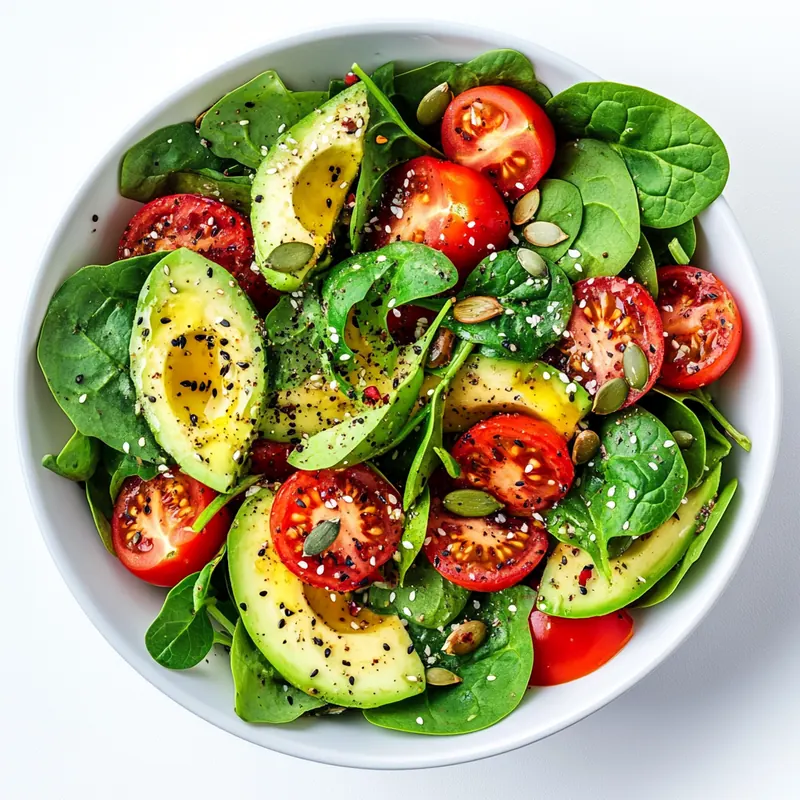
- Front load the meal. Start with a broth based soup or a big salad, then eat normally.
- Keep everything on the menu. Nothing is banned. High density foods become the garnish, not the base of the plate.
- Treat hunger as a design problem, not a willpower problem.
What do you eat on the Volumetrics diet?
| Eat more | Go easy on |
|---|---|
| Broth based soups and big salads as starters | Fried food and pastry, maximum calories per bite |
| Water rich vegetables and fruit: cucumber, tomato, melon, berries | Oils and creamy dressings poured freely |
| Lean protein to protect fullness | Calorie dense snacks eaten from the bag |
| Cooked whole grains, which carry a lot of water | Liquid calories, which add up without filling you |
"Go easy on" does not mean "never". The British Nutrition Foundation points out that some energy dense foods, such as nuts, olive oil and avocado, are a useful part of a balanced diet. Measure them instead of pouring.
What does a day on the Volumetrics diet look like?
| Time | Meal |
|---|---|
| 8 am | Oatmeal cooked with milk, topped with berries |
| 1 pm | Vegetable soup, then a chicken and grain bowl |
| 4:30 pm | Apple and a small yogurt |
| 8 pm | Big salad starter, then fish with roasted vegetables |
What does the research say about Volumetrics?
The studies below come from Rolls's lab at Penn State. The evidence is strongest for single meals.
- Soup first. In a study of 60 adults, eating a low energy dense soup before lunch cut total calories at the meal by 20% compared with no soup.
- Salad first. In a study of 42 women, a large low energy dense salad before a pasta lunch reduced calories at the meal by 12%. A salad made energy dense with extra dressing and cheese did the opposite and raised intake by as much as 17%.
- Over a year. In a trial of 97 women with obesity, one group was advised to cut fat and another to cut fat and eat more water rich foods, mainly fruit and vegetables. Neither group was given a calorie target. Among the 71 women who finished the year, the second group lost about 17 pounds (7.9 kg) against about 14 pounds (6.4 kg), ate a greater weight of food and reported less hunger.
Now the limits. The meal studies were small and took place in a lab. The year-long trial included only women, and about a quarter of them did not finish. Rolls herself has written that more long-term research is needed.
So research suggests energy density is a useful lever for fullness. It does not show that everyone who eats this way will lose weight.
What are the most common Volumetrics mistakes?
- Skipping the starter. The soup or salad first is the whole mechanism.
- Making the salad calorie dense with cheese, croutons and heavy dressing. The salad study above shows how that backfires.
- Forgetting protein. Volume without protein fades fast.
- Drinking your calories. Juice, soda and sweet coffee add up without filling you.
How do you make Volumetrics stick?
- Add vegetables to what you already cook instead of cooking new things.
- Put water in the food. Soups, stews and cooked grains all count. Rolls reports that water had a greater effect on fullness when it was part of a food than when it was drunk as a beverage.
- Keep the glass of water anyway. A glass before a meal may help too. We look at the evidence in does drinking water help you lose weight.
- Hungry at night? The answer is fruit or soup, not less dinner.
- Measure the dense stuff. A spoon of olive oil, a small handful of nuts, a sprinkle of cheese.
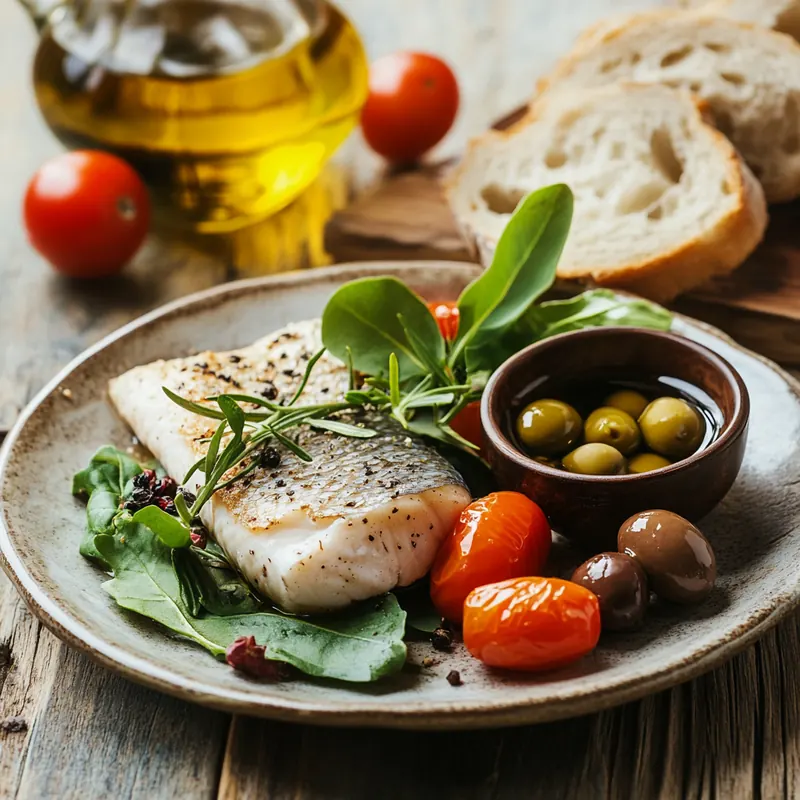
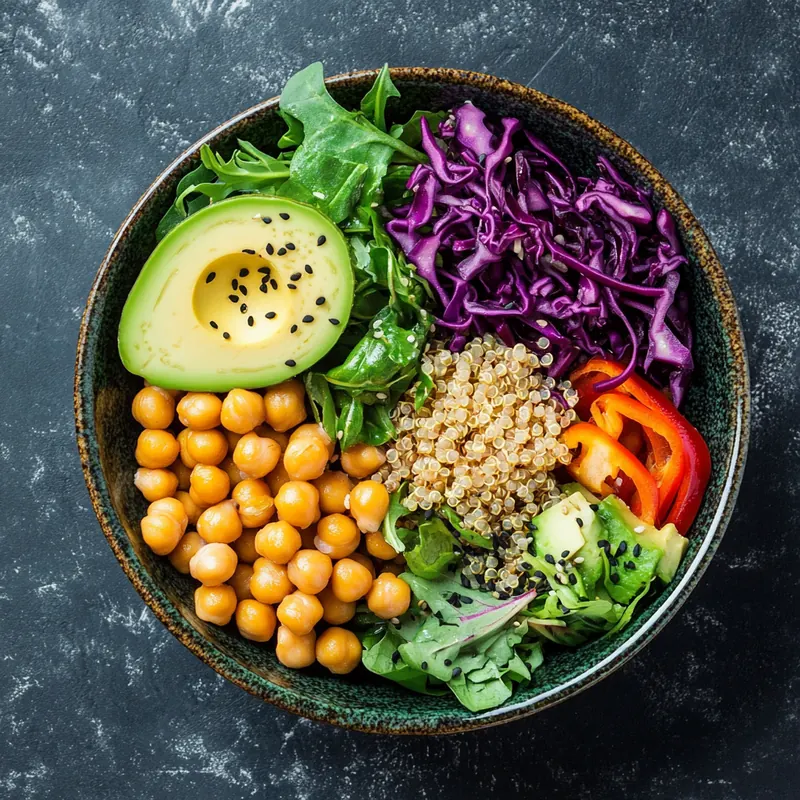
Volumetrics is a way of choosing food, so it fits inside other patterns. A Mediterranean or whole food plant-based plate is already heavy on vegetables, legumes and cooked grains. You can compare all seven plans on the diet plans page.
Who should check with a doctor first?
Volumetrics is broadly suitable for most people. Talk to your doctor first if you:
- Have a digestive condition that is aggravated by a high fiber intake
- Are pregnant, breastfeeding or under 18
- Have diabetes or take regular medication
- Have, or have had, an eating disorder
This page is general nutrition information, not medical advice. It does not diagnose, treat or prevent any condition.
Questions people ask
What is energy density?
Energy density is the number of calories in each gram of food. Foods with a lot of water or fiber, such as soup, fruit and vegetables, have a low energy density. Dry and fatty foods, such as chips, cookies and butter, have a high one.
Do you have to count calories on the Volumetrics diet?
Not necessarily. The approach steers by energy density, not by a daily calorie number. In the year-long Penn State trial, the women were given no calorie goals and were told to eat as much as they wanted while following the principles of their diet.
Can you lose weight on the Volumetrics diet?
Research suggests that lowering the energy density of your meals can help some people eat fewer calories while still feeling full. In one year-long trial, women who did this lost weight and reported less hunger. Results vary from person to person and nothing is guaranteed.
Does eating soup before a meal really help?
In a Penn State study of 60 adults, a low energy dense soup before lunch reduced total calories at that meal by 20% compared with no soup. That was a single meal in a lab. Treat it as a promising habit, not a promise.
Are nuts and olive oil bad on the Volumetrics diet?
No. They are energy dense, so the approach asks you to watch the portion, not to cut them out. The British Nutrition Foundation lists nuts, seeds, unsaturated oils and avocado as higher energy density foods that are a useful part of a balanced diet.
Sources
- Dietary energy density: Applying behavioural science to weight management. Nutrition Bulletin (2017)
- The relationship between dietary energy density and energy intake. Physiology and Behavior (2009)
- Soup preloads in a variety of forms reduce meal energy intake. Appetite (2007)
- Salad and satiety: energy density and portion size of a first-course salad affect energy intake at lunch. Journal of the American Dietetic Association (2004)
- Dietary energy density in the treatment of obesity: a year-long trial comparing 2 weight-loss diets. American Journal of Clinical Nutrition (2007)
- Energy density. British Nutrition Foundation
Checked against these sources on 21 November 2026. We write "research suggests" where the evidence is still growing. How we write.
Educational information, not medical advice. This page shares general information and does not replace advice from your own doctor. Talk to a doctor before starting any diet or fasting plan, especially if you are pregnant, breastfeeding, under 18, diabetic, on medication or have a history of disordered eating.